4 Practical Tips for Planning a Small Group Europe Tour
Interestingly, international exploration is highly popular, as about two-thirds or more in every surveyed European nation have traveled outside their country.
Building the perfect wish list, whether it is the Amalfi cliffside or a Prague evening stroll, is incredibly exciting.
However, syncing schedules and managing day-by-day logistics can quickly drain that joy.
By applying deliberate strategies early, you can seamlessly replace logistical exhaustion with genuine connection.
1. Pick a Realistic Pace
Enthusiasm in the planning stage almost always produces over-scheduled itineraries. Packing too much into a single day is the fastest way to turn a dream trip into an endurance test.
Refraining from a slower pace is a form of travel intelligence, not a compromise. As an example, the average trip length for an EU resident in 2023 was five nights, but proper pacing remains critical for any duration.
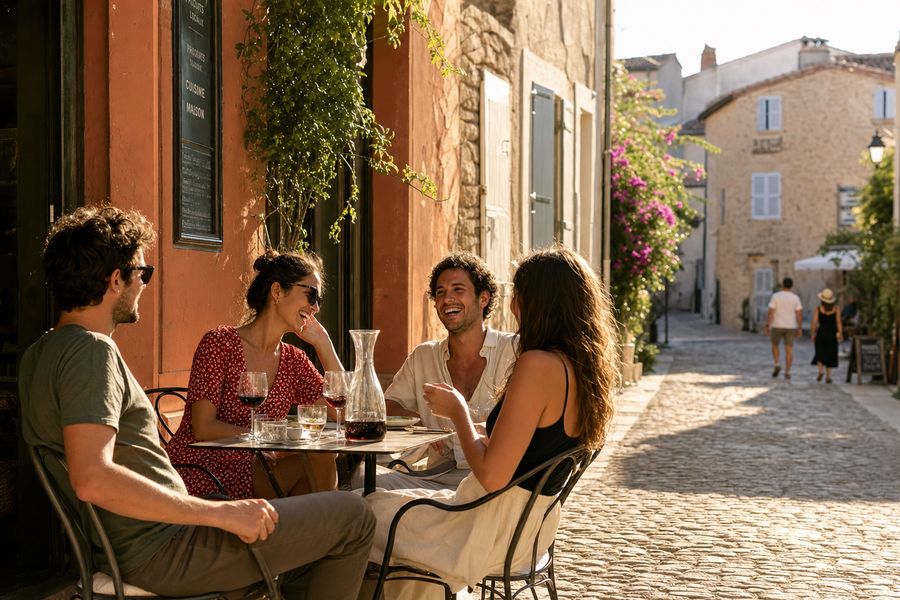
Slowing down allows you to actually experience the destination properly. You can watch morning light move across a Lisbon tile facade or follow a street musician into a hidden courtyard.
Unscheduled time lets you linger over a second carafe at a table with no reservation pressure.
This flexibility is why travelers often compare standard local guides, self-booking platforms, and small group tours to find the best structural fit.
To achieve this balance, anchor each day around one or two meaningful experiences and build generous open time around them.
The unscheduled hours are typically where the most memorable stories happen. No one returns from Europe fondly discussing the sprint between the train platform and the museum entrance.
They talk about the long dinner, the unexpected detour, and the perfectly unplanned afternoon.
|
Key Insight: The travelers who see the most are rarely the ones who schedule the most. The unscheduled hours, the long dinner, the wrong turn, the afternoon with no plan, are where the best stories live. |
2. Choose Experiences Matching Group Passions
The best group trips are not built on compromise but on the specific activities that make everyone genuinely light up.
Before anyone opens a booking site, the group should spend twenty minutes discussing personal preferences.
Ask what each person actually wants to feel on this trip, rather than just where they want to go. This ensures everyone’s expectations are aligned from the very beginning.
Food lovers might prioritize a hands-on pasta lesson with a resident in Bologna or a truffle hunt in Umbria.
Alternatively, culture seekers might prefer after-hours access to a Florentine gallery or a private concert in a historic chapel.
Slow travelers might seek a relaxed vineyard lunch stretching into the late afternoon. Recognizing these distinct styles helps shape a genuinely rewarding itinerary.
The difference between a trip you remember and a trip you merely complete depends entirely on planning.
Experiences should be chosen for your specific people and their unique energy levels. Avoid assembling a trip solely from a standard, generic catalog of tourist traps.
Considering curated small group tours with Tenon Tours can help solve this problem, since the itineraries tend to reflect what a group actually enjoys rather than following a generic template.
Customized choices ensure a deeper, more authentic connection to the destination.
3. Understand Small Group Flexibility
Small group size is often treated as shorthand for flexibility, but traveler headcount rarely guarantees true freedom.
The actual adaptability of a tour depends on the philosophy and structure behind the trip design. True flexibility means having the option to pivot when an unexpected opportunity arises.
For some travelers, a well-run scheduled experience is the right fit, offering the warmth of discovering a hidden wine bar with like-minded companions.
However, others arrive at the planning stage and realize they want a journey belonging entirely to their established circle.
Understanding this distinction early prevents frustration and helps pinpoint the right operational style.
It is crucial to determine if you want a curated standard program or a fully personalized journey.
Knowing exactly how much independence your group actually wants is the most clarifying question in the entire planning process.
This decision points directly toward the ideal travel style for your specific needs. It helps you decide whether to prioritize scheduled guidance or entirely open-ended exploration.
Ultimately, clarity on flexibility ensures everyone feels comfortable with the daily rhythm.
|
Pro Tip: Don’t assume a small group means a flexible itinerary. Ask how the operator handles spontaneous detours, unexpected closures, and individual interests before you commit. |
4. Budget Based on Included Costs
The instinct to compare a guided tour price to a rough do-it-yourself estimate almost always produces a misleading picture.
These two numbers are fundamentally measuring entirely different aspects of the travel experience.
A DIY estimate often ignores the immense value of professional coordination and local expertise. True budgeting requires looking at the holistic cost of the journey.
A quality group trip typically bundles thoughtfully chosen accommodations with real character and meals at well-researched local tables.
It includes seamless transfers that eliminate hours of frustrating research and navigation. The invisible costs of DIY travel, including group chat arguments and booking errors, are completely removed.
This comprehensive approach replaces logistical stress with relaxation, presence, and spontaneous joy.
Before comparing prices, ask any operator essential practical questions about what is actually covered.
Clarify if gratuities, luggage handling, and all expected meals are genuinely included in the upfront cost.
Find out exactly what happens if something goes wrong mid-trip and who handles the recovery process. Effortless travel is a deliberate investment in the quality of the memories being made.
|
Important: Comparing a tour price to a DIY estimate is misleading. The invisible costs, like group chat debates, booking errors, and logistics stress, drain joy in ways no spreadsheet captures. |
Your Next Steps
Before committing to any booking, use a simple planning framework to move from inspiration to an actionable plan.
Define your travel style by deciding whether your group wants a curated, scheduled experience or a fully private journey.
Identify your top three shared must-have experiences instead of just listing popular destinations. Committing to these priorities ensures everyone starts on the same page.
Establishing a daily rhythm is just as crucial as picking the right locations. Set a pace mantra by committing to no more than two anchor activities per day with at least one open afternoon.
Research operators who prioritize personalization and carefully read the full inclusion list before comparing prices.
Finally, book earlier than feels necessary because the most distinctive accommodations and sought-after dates fill quickly.
A well-planned European trip is one of the most powerful ways to connect with centuries of fascinating culture.
It fosters deeper bonds with the people you love most while providing room for an itinerary to breathe.
Reaching out to a Europe specialist is an excellent way to refine these initial ideas. Start a conversation today about the remarkable trip you have been quietly imagining.
|
Author Profile: Tenon Tours is the leading boutique tour operator of customized European journeys for curious travelers seeking authentic, meaningful connections. |