America’s Most Scenic Drives for Corvette Enthusiasts
Some roads were made for sports cars, and a Corvette was made for the best of them. Whether it’s chasing the California coastline or threading through Appalachian switchbacks, finding the right scenic drive transforms a weekend trip into something genuinely memorable.
The strongest options for Corvette enthusiasts come down to a short list: the Pacific Coast Highway for sweeping ocean views and long, flowing sweepers that reward confident throttle input; the Blue Ridge Parkway for unhurried mountain touring with elevation changes and layered ridgelines; and the Tail of the Dragon for its legendary 318 curves packed into 11 miles of technical asphalt. Each route demands something slightly different from the car, so owners who want to get the most from these roads would do well to shop at West Coast Corvette and make sure their setup is dialed in before the trip.
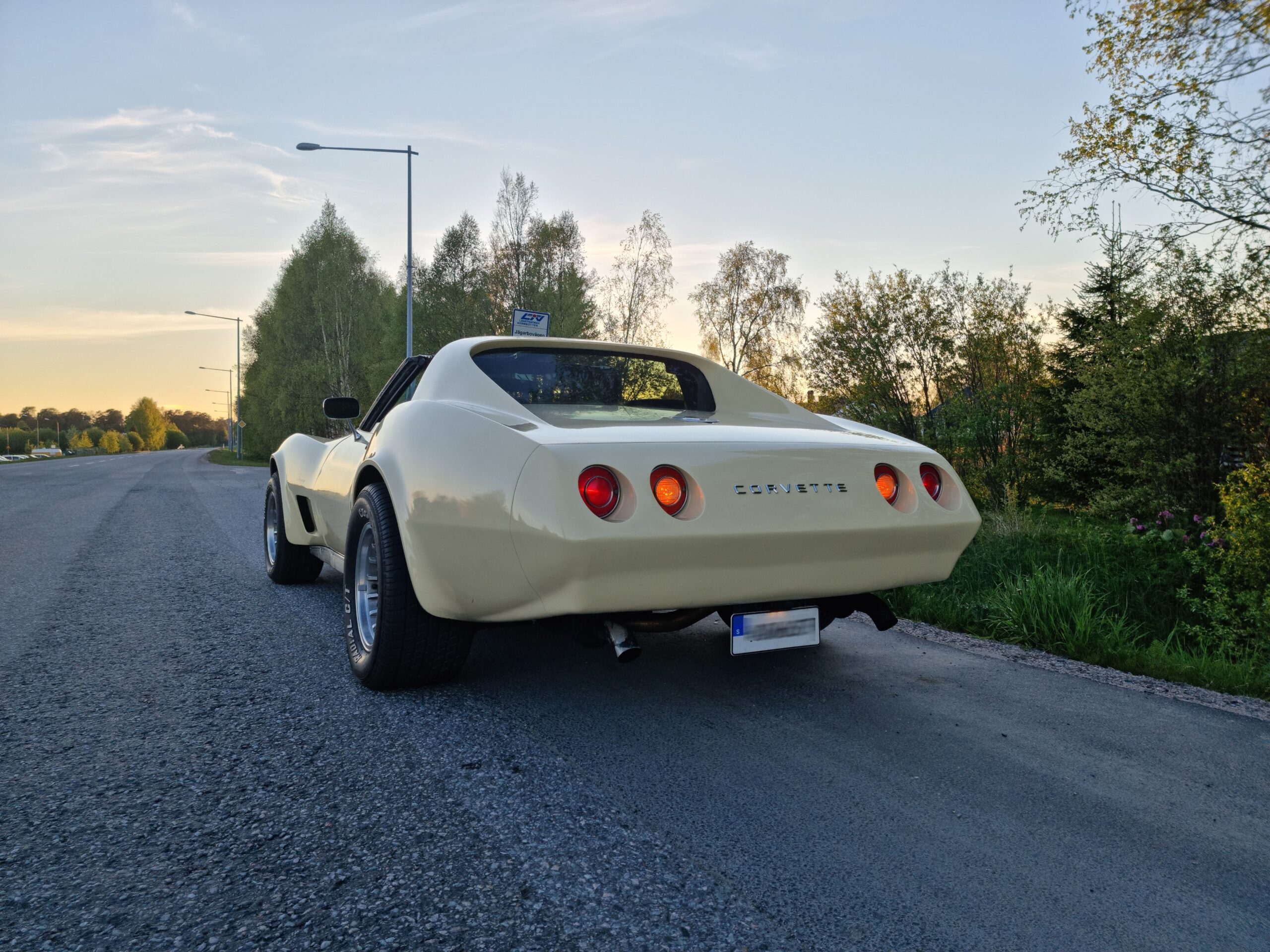
Best Scenic Drives for Corvette Owners
Pacific Coast Highway
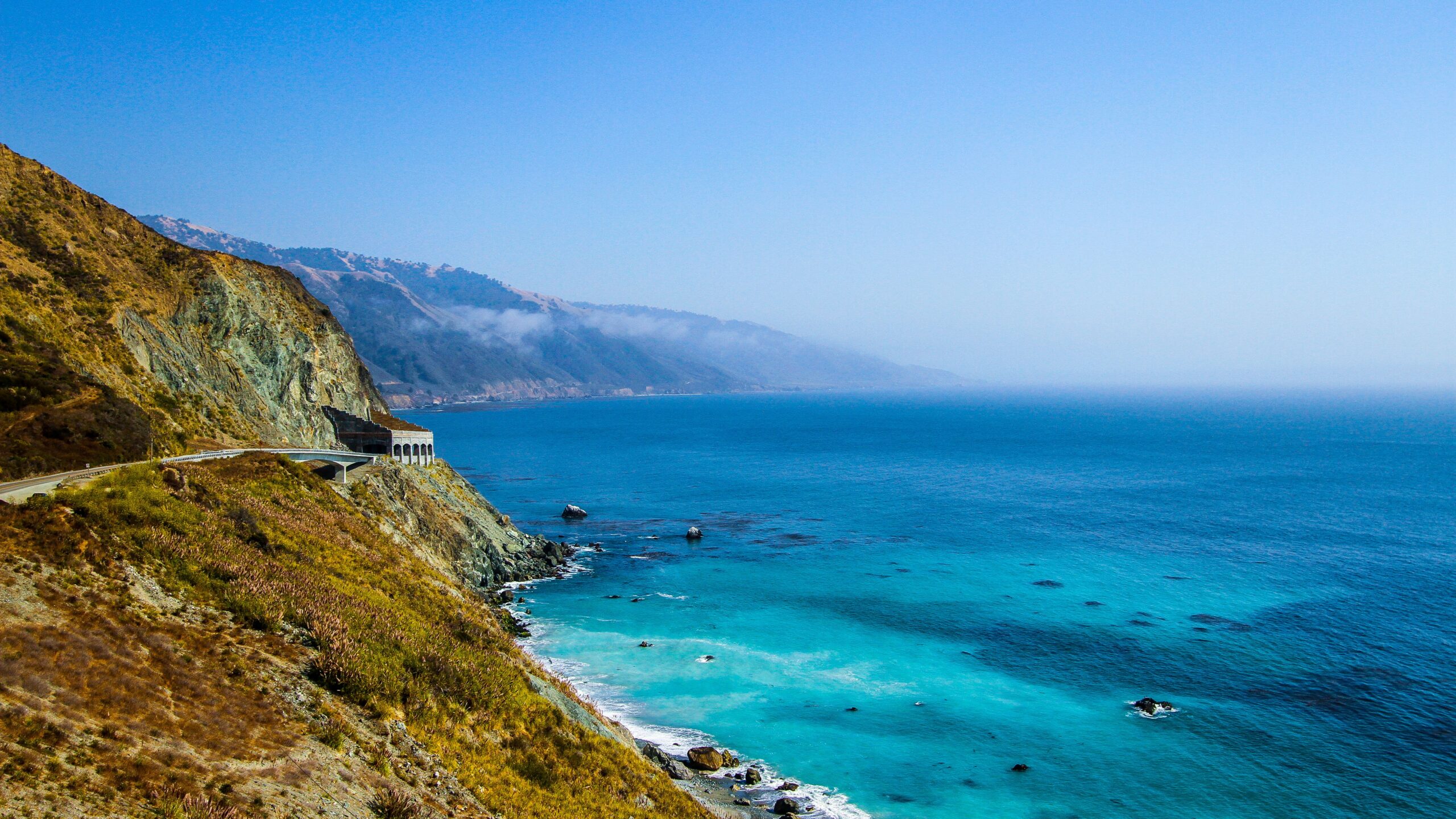
The Pacific Coast Highway runs along the California shoreline and delivers exactly what the name promises: long, open sweepers with ocean views that stretch to the horizon. It’s the kind of road that rewards a well-sorted Corvette and a driver who knows how to let the car settle into a rhythm.
Blue Ridge Parkway
The Blue Ridge Parkway offers a more relaxed touring pace through the Appalachian highlands, with layered ridgelines, seasonal foliage, and elevation changes that keep the drive visually interesting without demanding constant technical input. It suits owners who want scenery and atmosphere in equal measure.
Tail of the Dragon
The Tail of the Dragon at Deals Gap is the route most enthusiasts already have on their list, and for good reason. Its 318 curves in 11 miles make it one of the most technically demanding public roads in the country. However, it’s worth noting that the appeal here is almost entirely about driving engagement rather than sweeping scenery, which sets it apart from the other two routes above.
Routes That Reward a Corvette Chassis
These drives are spectacular, but they are also less forgiving of poor timing or an unprepared car. Alpine highways reward the Corvette’s handling dynamics in ways that flatter roads simply cannot, though that reward comes with real planning requirements around season, pavement, and grade.
Beartooth Highway
Stretching across the Montana-Wyoming border, Beartooth Highway climbs to nearly 11,000 feet and offers some of the most dramatic mountain views in the American West. The road’s combination of sweeping bends and hairpin turns makes it rewarding for Corvette owners who want technical driving paired with open sky and snowfield panoramas. Seasonal access is a real constraint here, as the highway typically opens in late May and closes again by mid-October, so timing matters considerably.
Going-to-the-Sun Road
Going-to-the-Sun Road through Glacier National Park is one of the most photographed alpine drives in North America, but it comes with practical limits that Corvette owners need to know before they go. Vehicle length and width restrictions apply on the upper sections, so it’s worth confirming current guidelines before the trip. The road’s exposed ridgeline sections and constant elevation change make it genuinely memorable, even at the modest speeds the terrain requires. Completing the essential checks before hitting the open road becomes especially relevant on a route where pull-offs are limited.
Pikes Peak Highway
Pikes Peak Highway ascends more than 14,000 feet on fully paved road, with grades steep enough to put real demands on braking and throttle control. The technical driving here is less about speed and more about precision, with each switchback requiring deliberate inputs and careful management of the car’s weight under sustained descent.
Best Roads When You Want Flow, Not Stress
Not every great Corvette drive is about technical precision or elevation gain. Some of the most satisfying routes in the country reward patience, rhythm, and a willingness to simply move through the landscape at a pace that lets the car breathe.
Michigan Highway 22
Michigan Highway 22 runs along the northwestern shore of the Lower Peninsula, tracing the edge of Lake Michigan through small towns, orchards, and open water views that change with the light. The pavement stays in good condition for most of its length, and the road’s gentle sweepers suit a Corvette far better than they might suggest at first glance. There’s no technical challenge here in the alpine sense, but the rhythm of the road and the quality of the scenery make it one of the more underrated scenic drives in the Midwest.
Kancamagus Scenic Byway
Running through New Hampshire’s White Mountain National Forest, the Kancamagus Scenic Byway delivers 34 miles of well-maintained two-lane road with enough long sweepers to keep a Corvette engaged without demanding full concentration. Fall foliage turns this route into something close to extraordinary, with color that lines both sides of the road for weeks at a stretch. It’s the kind of road well suited to road trips built for adventure seekers who prefer atmosphere over aggression.
Overseas Highway
The Overseas Highway through the Florida Keys offers something no mountain road can match: uninterrupted ocean views on both sides of the car across more than 100 miles of open water crossings. The driving itself is straightforward, but the visual experience is singular, and the long, flat causeways give the Corvette room to settle into a comfortable cruise.
Classic Routes Every Corvette Fan Will Know
Some roads earn their reputation through decades of word-of-mouth among drivers who keep coming back. That reputation, however, doesn’t always translate directly into Corvette suitability, and understanding the difference between a famous road and the right road matters when planning a serious trip.
Route 66
Route 66 occupies a unique place in American driving culture, but it functions more as a touring experience than a technical drive. The road surface varies enormously across its length, ranging from smooth restored stretches to crumbling original pavement that rewards patience over speed. For Corvette owners, the appeal here is almost entirely atmospheric. The Americana, the roadside history, and the sense of crossing the country on something genuinely iconic make it worthwhile, provided expectations are set around scenery and nostalgia rather than curves and chassis feedback.
Twisted Sisters and Triple Nickel
For drivers who want technical challenge, the Twisted Sisters in the Texas Hill Country deliver tight, rhythmic curves through open limestone terrain with very little traffic to interrupt the experience. Ohio State Route 555, known as the Triple Nickel, offers a different flavor of technical driving through southeastern Ohio’s rolling hills. The road’s rapid elevation changes and blind crests require genuine attention and reward drivers who prefer engagement over scenery. Both routes suit a Corvette well, though road surface conditions and traffic can shift the experience depending on the day and season, making it worth checking conditions before committing to either.
What Makes a Road Corvette Friendly
Low ground clearance changes the way a Corvette driver reads a road. Driveway aprons, uneven rail crossings, and deteriorating pavement that a truck absorbs without notice can scrape or bottom out a sports car with a 4.5-inch clearance, so road surface quality becomes part of the route evaluation before the drive even starts.
Beyond pavement, a genuinely Corvette-friendly scenic drive balances several variables at once. Curves and switchbacks matter, but so does what surrounds them. A road lined with frequent pull-offs, reasonable shoulders, and predictable weather windows gives the driver more confidence to focus on the experience rather than manage logistics.
Traffic patterns shape the day just as much as the terrain does. A technically rewarding stretch of curves loses its appeal behind a slow convoy of RVs with nowhere to pass, which is why the routes covered throughout this article tend to shine brightest on weekday mornings and outside peak tourist season.
Choosing the Right Drive for Your Corvette
The right route comes down to what the driver actually wants from the experience. The Pacific Coast Highway suits those who want long sweepers and ocean air, while the Blue Ridge Parkway rewards those who prefer elevation, atmosphere, and an unhurried pace through mountain terrain. The Tail of the Dragon delivers something more focused, and Beartooth Highway combines both technical character and alpine scale.
Reputation alone shouldn’t drive the decision. Season, pavement condition, and expected traffic all shape what a drive actually feels like on the day, and those variables matter as much as any route’s fame. The best Corvette drive is the one that fits how the car gets used and what the driver wants to see. The National Park Service is a solid starting point for confirming access windows and current road conditions before committing to a departure date.