Beyond the Beaten Path: 5 European Escapes for Active Travellers
Active travellers often experience destinations differently. Walking a mountain trail, cycling through the countryside, or exploring a coastline from the water reveals details that many visitors miss. Across Europe, some of the most memorable experiences happen outdoors, far from the busiest attractions.
These five destinations offer adventure, impressive landscapes, and plenty of opportunities to stay active while travelling.
Finding the Perfect Base Camp for You and Your Four-Legged Companion
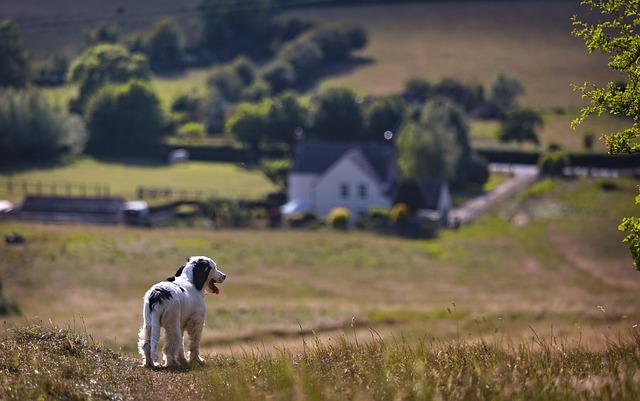
Travelling with a dog opens up a different side of Europe. Coastal footpaths, forest tracks, and countryside walks become part of the daily routine, which is why choosing the right place to stay is important. Across the UK, destinations such as Northumberland, the Lake District, and the Scottish Borders offer plenty of properties close to walking routes where dogs are genuinely welcome.
Finding quality dog-friendly accommodation is an important part of planning an outdoor-focused trip. These properties offer practical extras such as enclosed gardens, direct access to walking trails, nearby beaches, and dog-washing facilities for cleaning up after a day outdoors.
Around Bamburgh, places to stay near The Wynding Beach provide easy access to long coastal walks beneath Bamburgh Castle, and accommodations around Keswick put visitors within easy reach of popular routes around Derwentwater and Catbells. Having a comfortable base encourages longer days outdoors. After a walk through Grizedale Forest or along Hadrian’s Wall near Steel Rigg, returning to somewhere that caters properly for both owners and pets makes the experience far more enjoyable.
Trekking Through the Dramatic Fjords and Majestic Peaks of Norway
Norway is perfect for travellers who enjoy spending long days outdoors. Around the western fjords, steep mountain walls rise directly from the water, creating landscapes that feel vast and dramatic. Well-maintained hiking trails lead deep into the surrounding mountains, where the scenery often feels surprisingly remote.
The route to Pulpit Rock remains one of Norway’s best-known hikes, though many experienced walkers continue towards lesser-visited areas around Lysefjord. Further north, the trails above Geirangerfjord offer views across waterfalls, old mountain farms, and narrow fjord channels. Around Ålesund, hikers often head towards Mount Sukkertoppen, where the summit overlooks nearby islands and stretches of open sea.
In Bergen, many visitors use the Fløibanen funicular to access the trails above the city. Walking across Mount Fløyen and towards Mount Ulriken reveals a side of Bergen that most cruise passengers never see. Back in the city, the old wooden buildings along Bryggen Wharf provide an interesting contrast to the rugged landscapes that surround it.
Hitting the Trails at Your Own Pace on an Independent Walking Trek
Guided tours suit some travellers, though many walkers prefer the freedom of setting their own daily schedule. Europe has no shortage of long-distance footpaths, historic pilgrimage routes, and countryside trails where independent walking remains incredibly popular.
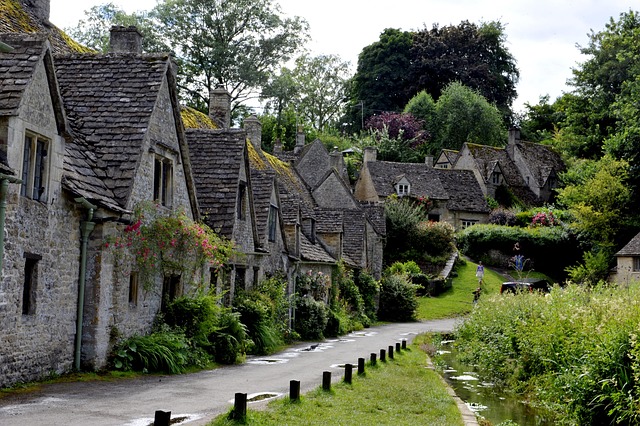
Scenic self-guided walking holidays are particularly suitable for travellers who want the freedom of independent walking without the burden of organising every stage of the trip. Well-established routes such as the Camino de Santiago, the Cotswold Way, and the Lechweg Trail provide marked paths, comfortable accommodation, and luggage transfers between stops. The result is a more enjoyable walking experience, with greater focus on the scenery and less concern about logistics.
The Camino routes passing through towns such as León and Burgos offer far more than countryside walking. Historic squares, medieval cathedrals, and busy local markets become part of each day’s journey. In England, sections of the Cotswold Way pass through Broadway, Painswick, and Winchcombe, where stone cottages, churchyards, and market streets provide regular points of interest between longer stretches of countryside.
Kayaking the Crystal-Clear Waters and Hidden Caves of the Dalmatian Coast
Croatia’s Dalmatian Coast is one of Europe’s best destinations for sea kayaking. Calm conditions during much of the warmer season make it accessible to a wide range of paddlers, and the coastline itself provides endless opportunities to explore hidden coves, small islands, and sea caves.
Around Dubrovnik, kayakers regularly paddle beneath the city walls before heading towards Lokrum Island. Seeing Fort Lovrijenac and the stone ramparts from water level offers a completely different perspective from the crowded streets inside the Old Town. Early mornings are often particularly rewarding, when the harbour around Pile Gate remains relatively quiet.
Further north, islands such as Vis and Korčula attract paddlers interested in longer excursions. On Vis, sea caves near Stiniva Bay and the coastline around Komiža reveal areas inaccessible by road. Korčula’s shoreline includes small pebble beaches, pine-covered headlands, and clear waters that remain ideal for kayaking throughout much of the year.
Exploring Historic Coastlines and Spring Trails in Malta
Malta often surprises visitors who arrive expecting only beaches and historic cities. Spring is particularly appealing for active travellers because temperatures remain comfortable for walking and outdoor activities before the hotter summer months arrive.
Among the most popular things to do in Malta in March is hiking, thanks to the island’s mild temperatures and quieter trails. Coastal paths around Dingli Cliffs offer sweeping views across the Mediterranean, while routes near Għar Lapsi pass old watchtowers, rocky coves, and rugged limestone shoreline. European Escapes for Active TravellersMarch also brings colourful wildflowers to the countryside, particularly around Buskett Gardens and the landscapes surrounding Mdina.
Valletta itself deserves time on foot. Republic Street, Merchants Street, and the Upper Barrakka Gardens reveal centuries of history packed into a relatively compact area. Across the harbour, the waterfronts of Vittoriosa and Senglea offer quieter walking routes lined with fortifications, narrow streets, and traditional Maltese architecture. The combination of historic sites and outdoor activities makes Malta an easy choice for travellers who prefer to stay active throughout a trip.
Which of these incredible outdoor adventures will you add to your travel bucket list next?
Europe’s outdoor opportunities extend far beyond the famous landmarks that dominate guidebooks. Coastal paths, fjord hikes, island trails, and long-distance walking routes reveal parts of the continent that many visitors never experience. These five destinations showcase just a small part of what is available for travellers who enjoy spending time outdoors. The hardest part may simply be deciding where to go first.