Train Rides That Turn Transport into Part of the Journey
Some routes earn their reputation before the destination does. Train travel moves at a pace that lets terrain register properly, mountain ranges, coastlines, forest corridors closing in for miles at a stretch. Arriving by rail feels different. Travelers who have done both feel the difference.
Certain journeys shift with every mile. A ridgeline appears, holds for an hour, then drops into valley floor. Not a transfer. The trip itself. Travelers plan around what they will see from their seats, not just where they will end up.
Why Train Travel Turns the Journey Into the Destination
The scenery stays visible for hours. Terrain shifts gradually, from flat plains to steep ridgelines, without the abrupt changes that come with flying. No turbulence. No window shade pulled down at the wrong moment. That alone.
Trains produce fewer carbon emissions than short-haul flights on comparable routes. That gap matters for travelers choosing between options across Europe or South America. The difference shows up fast when you look at the numbers.
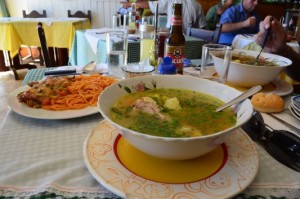
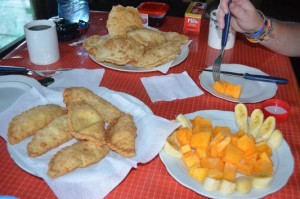
Station stops do something airports cannot. A vendor on the platform. Regional food handed through a window. Three minutes in a mountain town and you know more about a place than an hour in any terminal. The woman selling empanadas does not need a boarding pass. The kid watching the train has seen it a hundred times and still watches. That kind of continuity carries through to places like UNESCO World Heritage Machu Picchu, where movement and arrival feel connected rather than separate. Modern scenic routes balance that heritage contact with contemporary comfort. Neither sacrificed.
For travelers who have spent years optimizing for speed, slowing down to rail pace takes adjustment. Then it does not. Most report the recalibration happens somewhere around hour two.
Routes Where Geography Shapes the Experience
The Glacier Express takes eight hours. 291 bridges. 91 tunnels. Zermatt to St. Moritz through terrain that would stop most vehicles cold. Norway’s Bergen Railway peaks at 4,058 feet above sea level. Nothing higher runs as a mainline railway in Northern Europe. Worth knowing before you default to flying.
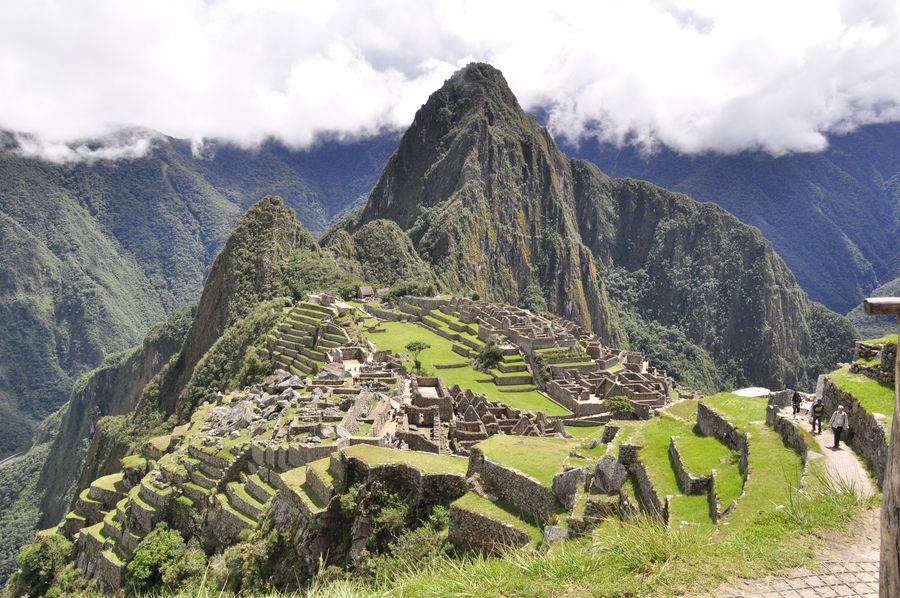
Peru’s rail route toward Machu Picchu runs alongside the Urubamba River. Cloud forest closes in as the train descends. Vegetation thicker, light dimmer, air heavier by the time the ruins come into range. The approach does the work before you arrive. For the rail-to-ruins leg, travelers often rely on local experts for Machu Picchu travel to coordinate permits, entry timing, and on-ground logistics so the journey stays uninterrupted from train platform to archaeological site.
Canada’s Rocky Mountaineer runs daylight only. Every schedule built around what passengers can see, not when they need to arrive. Fraser Canyon, the Spiral Tunnels, the Continental Divide, all of it visible, none of it missed to darkness.
Japan’s scenic routes run on different logic. Speed on the Shinkansen. Everything else on the branch lines. The Sagano Romantic Train through the Hozugawa gorge. The Seto Ohashi line crossing the Inland Sea on bridges between islands. Each one requires a deliberate detour.
Engineering Feats That Make Scenic Access Possible
Switzerland’s Landwasser Viaduct curves across six stone arches at 213 feet, then enters a tunnel cut straight into a cliff. No transition. Rock face, then darkness. Japan’s Seikan Tunnel runs 33 miles underwater at 787 feet below sea level, one of the deepest rail tunnels ever built, a figure often cited when discussing Seikan Tunnel depth. Construction started in 1964. Finished in 1988. Twenty-four years of digging beneath the Tsugaru Strait.
India’s Darjeeling Himalayan Railway has run since 1881. Same Z-reverse switchbacks, same grades too steep for conventional rail, same locomotive logic that has not fundamentally changed. Passengers see the identical hillside from three different angles on a single ascent. Most assume it is a routing error. It is not.
Australia’s Ghan runs 1,851 miles from Adelaide to Darwin. No Alpine drama. No glaciers. Flat ochre plains, dry riverbeds, light that shifts color across an entire afternoon without anything interrupting the horizon. The achievement is operational. Running a reliable service through land that has no obligation to cooperate.
How Train Design Affects the Viewing Experience
The car determines the view. Panoramic rail cars on the Rocky Mountaineer give upper-level passengers forward, sideways, and upward sightlines with nothing blocking them. No column. No headrest in the way.
Slower speeds on heritage lines allow more detailed observation. Wildlife, rock formations, small settlements at the edge of cleared land. The Darjeeling train moves slowly enough that locals walk alongside it on certain sections. Children run next to it. Not listed in any brochure. It happens anyway.
Open-air observation platforms on the Bernina Express run during summer months. The route climbs to 7,391 feet at the Bernina Pass, then drops to Tirano, from glaciers to palms, in four hours. The platform removes the glass entirely. Wind, altitude, the Morteratsch Glacier without anything between you and it. Or maybe second best on a cloudy day. Depends entirely on the weather.
Seat rotation systems on select services ensure all passengers access the best angles at key points. Comfort and visibility managed together. The better operators have thought carefully about this. The difference shows.

Planning Tips for Scenic Rail Journeys
The Glacier Express fills early in peak season. May through September, clearest Alpine visibility. Book ahead. The reservation fee sits outside the rail pass cost in Switzerland. Separate transaction. Catches people who assume otherwise.
The dry season for Machu Picchu tours runs May through October. June through August bring the densest crowds. Advance tickets are not a preference during those months. The Peruvian government caps daily visitors and runs timed entry slots. No ticket, no entry. Plan accordingly or pick a different season.
Rail pass systems in Europe and Japan cover multiple scenic routes under a single purchase. The Eurail Global Pass and the Japan Rail Pass both publish full breakdowns of eligible lines. Cross-reference against specific routes before buying. Not every scenic branch line is included. Some of the best ones require separate point-to-point tickets. That detail matters.
A week moving through Switzerland by rail tells you more about the country than any highlight itinerary. Change trains at small junctions. One night in Chur, two in Lugano, an afternoon somewhere with no particular plan. Same principle in Japan. The Shinkansen connects cities. The local lines show what sits between them. That is usually the part people remember.
Balancing Comfort and Authenticity
Luxury rail delivers upscale dining, spacious compartments, attentive staff. The Belmond Royal Scotsman, the Venice Simplon-Orient-Express, the Rovos Rail across southern Africa. Each one exceptional. Still a sealed environment with limited contact outside the service. That tradeoff exists. Worth naming before booking.
Standard regional trains put passengers next to people who actually live along the route. Second-class cars, longer conversations, fewer curated moments. A retired teacher on the Bergen Railway who grew up in Voss. A farmer on the Darjeeling train who gets off at a stop with no visible road. These encounters do not happen in a private cabin with a four-course dinner.
Overnight sleeper services cover distance while cutting accommodation costs. Not glamorous. A six-berth couchette from Paris to Barcelona or a sleeper from Chiang Mai to Bangkok is functional, occasionally chaotic, and frequently the better memory. The economics work. For the right traveler, the experience works better than any hotel lobby ever could.
The choice between comfort and contact is not a judgment. Know which one you are optimizing for before the train leaves the station.
Train journeys remember you differently. Not the airport, not the taxi. The hillside seen three times on the way up. The cloud forest that closed in before the ruins appeared. The glacier at 7,391 feet before the drop to palms. That is what stays.
The planning matters. So does the willingness to take the slower train.